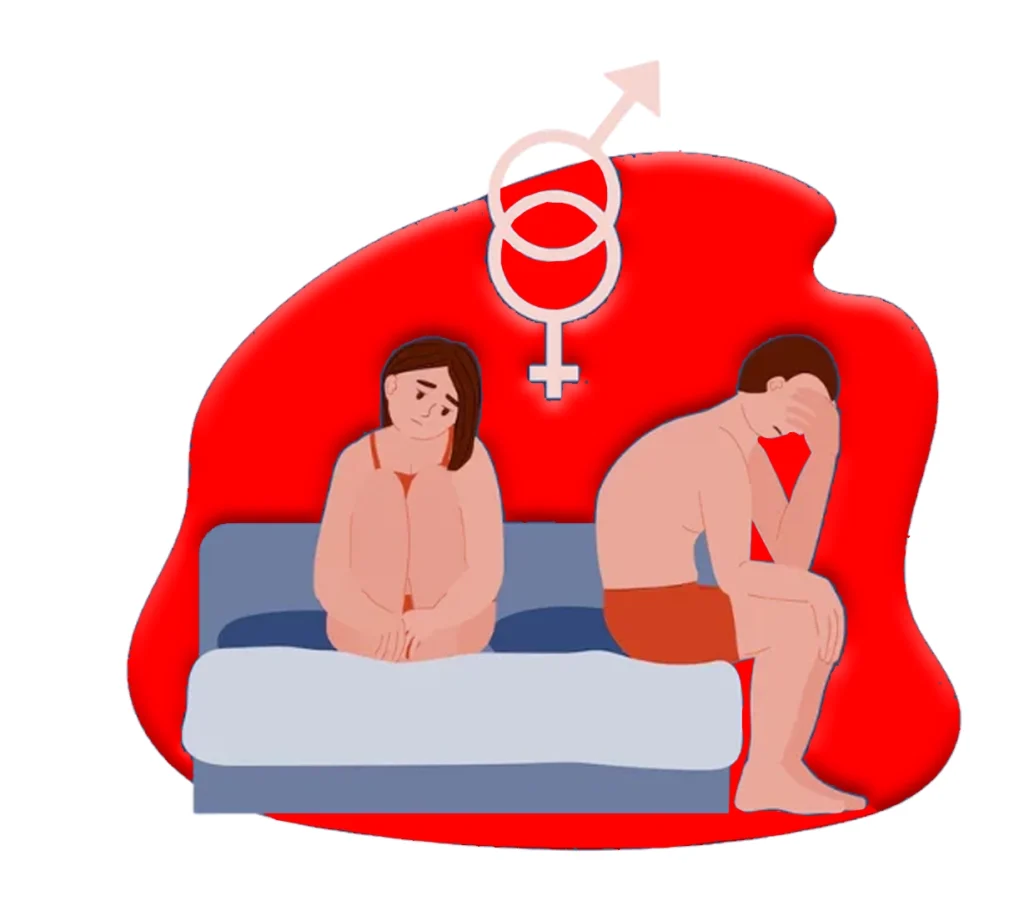
The world’s population is aging at an unprecedented rate. With advances in medical technology and general biosocial information, people are living longer but that doesn’t mean we’re living better. Many products and strategies are marketed to help older adults feel more vital and youthful, yet there isn’t much honest discussion about how to achieve healthy aging.
Sexual performance is a fundamental aspect of human life that we don’t talk about enough, and it undergoes significant changes as we age. Aging is associated with a variety of physiological, psychological, and social changes that affect an individual’s sexual health and well-being. Understanding and addressing these factors are critical for promoting sexual wellness and a healthy lifestyle for male performance throughout life.
Table of Contents
ToggleWhat Are Age-Related Changes In Men?
Aging can bring a number of changes in men when it comes to sexual performance. If the changes are not understood and managed it can lead to resentment and self-esteem issues in men and their partners. Age-related changes are completely normal, and some basic lifestyle changes can make them manageable.
Physical Changes
- As men age, physical changes can affect their sexual performance. One of the most common is a decrease in testosterone levels. Testosterone is the hormone responsible for maintaining male sexual characteristics, including sex drive, erections, and sperm production. With age, the body produces less testosterone, which can lead to a decrease in sex drive and erectile dysfunction.
- Another physical change that can affect sexual performance is decreased blood flow to the penis. This can result from a condition such as atherosclerosis, the build-up of plaque in the arteries. If the arteries of the penis are narrow or blocked, it can be difficult to get and keep an erection.
- With time, you also have less elastic muscles and tissues in the penis which makes it harder to get and maintain an erection. Other conditions, such as diabetes, can also compound this, as they can damage the nerves and blood vessels in the penis.
Psychological Changes
- Psychological changes can also affect men’s sexual performance with age. One of the most common is stress. As men take on more responsibilities and face age-related changes, they are likely to experience more stress relating to health, finances or personal relationships. This can affect their sex drive and their ability to have sex.
- Another factor is anxiety. As men age, they may become more anxious about their sexual performance and ability to satisfy their partner and his anxiety can lead to a decrease in sex drive and erectile dysfunction.
- Sexual performance can also be affected by depression. Older men might be more vulnerable to depression because of health changes, loss of loved ones, or other life events. It can cause reduced libido and erectile dysfunction. Sexual therapists will often want to focus on the underlying depression first in such cases. If you want to improve your sexual performance then you can choose ED pills like Tadalista 60 mg that helps to improve the erectile function and blood flow.
Common Performance Problems Related to Age
Common sexual dysfunctions and age-related performance issues for men include: erectile dysfunction, premature ejaculation, low testosterone levels and enlarged prostate.
Low testosterone levels are often the reason behind reduced sex drive and difficulty sustaining erections. Erectile dysfunction is usually the direct result of this. Not only can the ability to maintain erections decline, but achieving one might also take longer than usual.
Premature ejaculation involves difficulty in maintaining erections for long periods of time, and early ejaculation. Enlargement of the prostate gland is also common in later years, making premature ejaculation more likely.
Managing Age-Related Sexual Performance Issues
There are several ways to manage age-related sexual performance issues. Keeping a healthy lifestyle- eating well, exercising regularly, avoiding smoking or excessive alcohol intake is one of the most important steps. A healthy weight can also improve sexual performance, by decreasing the likelihood of conditions such as diabetes and heart disease.
There are also medical treatments for age-related sexual performance problems. These can include medications such as Tadalista to help increase blood flow to the penis and improve erectile function and treatments such as testosterone therapy to help boost sex drive and testosterone levels. Having a conversation with your partner about sexual health issues may help you sort out performance problems. If you do notice changes, talk to your partner and try to work it out together. It may mean trying different sexual positions, using lubricants or other aids, or finding other ways to be intimate.
If you have age related problems with your sexual performance get professional help. That may mean talking to your doctor or a therapist who specializes in sexual health. They can figure out what is causing your sexual performance issues and develop a plan to correct it.
In short, sexual changes with age are easily controllable by a healthy lifestyle, medical treatments, open communication with your partner, and professional help.
The holistic method
Optimal sexual wellness requires a comprehensive strategy including health care, psychosocial care and lifestyle management. Building a relationship with a gynecologist, urologist, functional medicine practitioner, or more holistic practitioners can help individuals better understand and manage any age-related challenges they may be experiencing.
If an individual or couple is having difficulty coping with relationship or sexual changes, psychosexual interventions such as sex therapy can provide a safe and understanding place to discuss their sexual concerns, explore new sexual techniques, and improve sexual communication skills. Above all, the basis of sexual function and general health is the development and maintenance of a healthy lifestyle that includes regular activity/exercise, a well-rounded diet, and adequate sleep. Older adults can also improve their sexual health by making lifestyle changes, such as quitting smoking and managing chronic health conditions.
Don’t Forget the Positives
Let’s also remember the good parts of aging and sexuality. Many feel more comfortable in their own body, know what they want sexually, and are more assertive at asking for it. There can be a sexual freeing and openness that comes with aging, which can enhance our sexuality and sexual satisfaction.Sexual changes in aging are a normal and natural part of our developmental process and are influenced by a number of factors. It is critical to understand these changes and the challenges that often accompany them to foster sexual well-being in an older population. Continued attention to open communication, full education, and appropriate medical and psychological interventions will better serve the unique and changing sexual needs and concerns of older adults. A broad approach to sexuality in aging will also create a more inclusive and supportive society, ensuring that all older adults can continue to live sexually fulfilling and satisfying lives.
Conclusion
At the end of the day, sexual performance can naturally change with age; stress, lifestyle, and overall health play just as significant a role. Two men can be the same age and have completely different experiences, because one prioritized movement, sleep, and stress management while the other let those things slide. Whether you’re 30 and just starting to build better habits, or 55 and looking for ways to stay consistent, the same principles apply: take care of your body, don’t ignore what it’s telling you, and don’t be afraid to loop in a doctor about options like Tadalista Super Active 20 mg when lifestyle changes alone aren’t cutting it. Aging is inevitable. Losing confidence in the bedroom doesn’t have to be.
FAQs
1. How can aging slow down response?
Reduced blood flow and lower hormone levels mean men may need more time to recover or get aroused.
2. How can lifestyle choices improve sexual performance?
Having a healthy diet, getting regular exercise and stopping smoking can improve blood flow and endurance which will indirectly improve sexual performance.
3. Can everyday medications affect sexual performance?
Yes. Common medications for high blood pressure, depression, and high cholesterol can reduce libido or contribute to performance issues
4. Can stress affect intimacy?
Stress produces hormones that constrict your blood vessels and sap your energy, making it hard to unwind and zero in on sex.
5. Is it normal for your sex drive to drop as you get older?
A gradual shift is normal, but a total loss of interest is tied to health conditions, medications, or emotional factors rather than age alone.