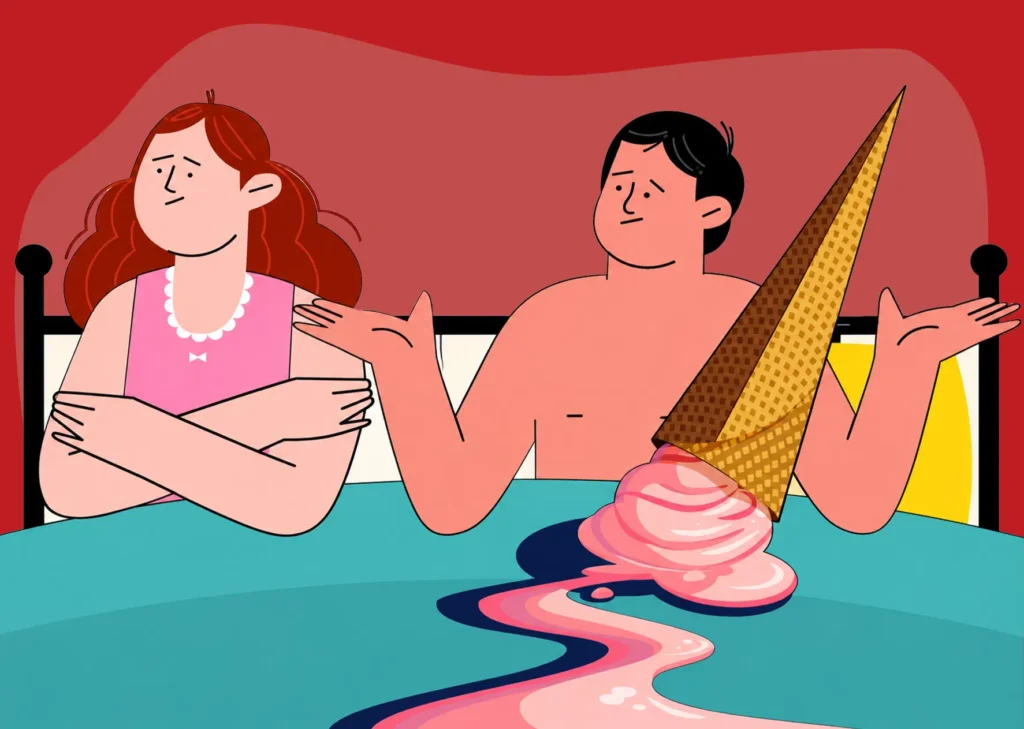
For many men, premature ejaculation starts with frustration that is difficult to explain. Not pain. Not illness. Just a feeling that something ends quickly before they are even mentally ready for it to end. This is what premature ejaculation does. One moment there is excitement, anticipation, intimacy and the next moment everything is finished. Some men experience it once in a while when they are stressed or anxious, while others deal with it regularly and begin worrying about every sexual encounter before it even begins.
The most difficult part is that many men still find it difficult to talk about it. So men sit with it alone, wondering whether it is normal, temporary, psychological, physical or emotional. The truth is premature ejaculation is very common and the emotional experience behind it is much more bigger than the physical one.
Table of Contents
ToggleWhat does premature ejaculation feel like?
The feeling is different for everyone, but most of the men complain of:
- Climaxing too quickly
- Feeling close to climax almost immediately
- Ejaculating before they intended to
- Anxiety building during intimacy
- Embarrassment
- Frustration due to incomplete feeling
- Fear that it might happen again
Some men say it feels like their body is rushing forward without permission. Others describe it as reaching the point of climax before they even have the time to relax their mind. In some cases, ejaculation happens within a second of penetration. For others, it may happen shortly after intimacy begins even though they wanted to last longer. Loss of control is one of the reasons why ejaculatory control becomes such an emotional topic for most men.
Premature Ejaculation Emotional impact
Premature ejaculation is not only about timing. It can slowly affect the person’s confidence as well. A man may begin overthinking and even feel guilt after intimacy before it even begins. Instead of enjoying closeness, he might be more focused on finishing early and that triggers and causes sexual frustration. Common emotional reactions include :
- Performance anxiety
Worrying constantly about lasting longer can cause performance anxiety. The more nervous someone becomes, the faster their body reacts. It can also cause partner disappointment.
- Embarrassment
Men mostly judge themselves on the basis of how long they last in bed and due to this it brings embarrassment and shame to their condition.
- Avoidance
Over time, the fear of another disappointing experience can lead to avoidance and many men avoid intimacy and fear of sex for such reasons.
- Decreased self esteem
Repeated episodes of premature ejaculation can lower self-esteem and affect the overall well-being of the affected person.

How long does an average man last in bed?
One question men search online constantly is: “How long does an average man last in bed?”
There is no perfect answer for this question because intimacy is different for every couple. However, studies that discuss penetration latency time have come to a conclusion that vaginal intercourse lasting fairly a minute is common. Many men with premature ejaculation feel like distressed because ejaculation happens much sooner than they personally desire. The problem is not only about timing. It is more about if the person has reasonable control and satisfaction during intimacy.
Signs of premature ejaculation
The signs of premature ejaculation might differ from person to person and some of the common symptoms are:
- Ejaculating shortly after penetration
- Inability to delay orgasm consistently
- Feeling intense arousal too quickly
- Anxiety during sex
- Avoiding intimacy because of fear
- Emotional distress related to sexual performance
- Loss of sexual confidence
Some men experience this from their earliest sexual experiences, while others suddenly experience it in their life.
Lifelong premature ejaculation vs acquired premature ejaculation
Premature ejaculation is often categorized into two main types:
- Lifelong premature ejaculation
- Acquired premature ejaculation
Lifelong Premature Ejaculation is experiencing early ejaculation from the start of your sexual experiences.
Acquired premature ejaculation is developing the condition later in life after having previous experiences without ejaculatory issues. Erectile dysfunction, medical conditions, hormonal changes, or relationship stress may contribute to this sudden change. Understanding the difference helps healthcare professionals identify possible causes and treatment options.
Performance anxiety and Early ejaculation
One of the strongest psychological problems is between performance anxiety and early ejaculation. The brain and body are deeply connected during intimacy. When someone becomes anxious about lasting longer, the body becomes more tense and overstimulated.
Thoughts like:
- What if it happens again?
- What if my partner gets disappointed?
- What if I lose control quickly?
Some men naturally experience higher penis sensitivity, which may contribute to faster climax. Over time, many men begin focusing entirely on avoiding ejaculation instead of enjoying intimacy naturally.
Dealing with Rapid Ejaculation
Fortunately, there are many approaches to deal with rapid ejaculation:
- Stop Start technique
The stop start technique involves pausing sexual stimulation before climax and restarting after arousal decreases slightly. Over time, this will help to improve awareness and control.
- Pause squeeze method
The pause squeeze method involves gently squeezing the penis before climax to reduce arousal temporarily and delay ejaculation.
- Pelvic floor exercises
Strengthening the pelvic floor muscles may help improve muscular control involved in ejaculation.
- Desensitizing Wipes
Some men use desensitizing wipes or topical products that reduce sensitivity temporarily.
- Sex Therapy
Sex Therapy is a specialized talk therapy that is designed to help individuals and couples navigate emotional, mental and physical intimacy roadblocks. It can help address anxiety, emotional stress and relationship concerns related to premature ejaculation.
- Couples counseling
When communication gets difficult, couples counseling can be an effective way to tackle relationship and sexual issues.
Can premature ejaculation improve?
Yes. In many cases it can.
Some men improve through behavioural techniques, therapy, lifestyle changes. While others rely on medications. The most important thing is to understand that premature ejaculation can be completely treatable and common. It is not a personal failure that defines masculinity.
Final Thoughts
What does premature ejaculation feel like?
For most men, it feels like losing control at that exact where they have a chance of feeling confident. It can create anxiety, embarrassment, frustration and emotional distance even though the condition itself is extremely common.
The experience is not only physical-it is more about emotional factors. Premature ejaculation does not have to stay permanently. With open communications, emotional support, behavioural techniques and professional help when needed, many men regain confidence and improve their sexual well being over time. The most important thing to understand is: struggling with premature ejaculation does not mean you are weak, broken or incapable of intimacy. It simply means that they are dealing with a common human condition that is experienced by many.
FAQs
1. What does premature ejaculation feel like?
Premature ejaculation feels like a sudden loss of control during sexual activity where ejaculation occurs much earlier than wanted.
2. How causes premature ejaculation?
Anxiety, psychological, physical factors can be the cause of premature ejaculation.
3. Is premature ejaculation harmful?
No. Premature ejaculation is not physically dangerous.
4. What is penis sensitivity?
Penis sensitivity refers to how well the nerves in the penis respond to physical or psychological stimulation.