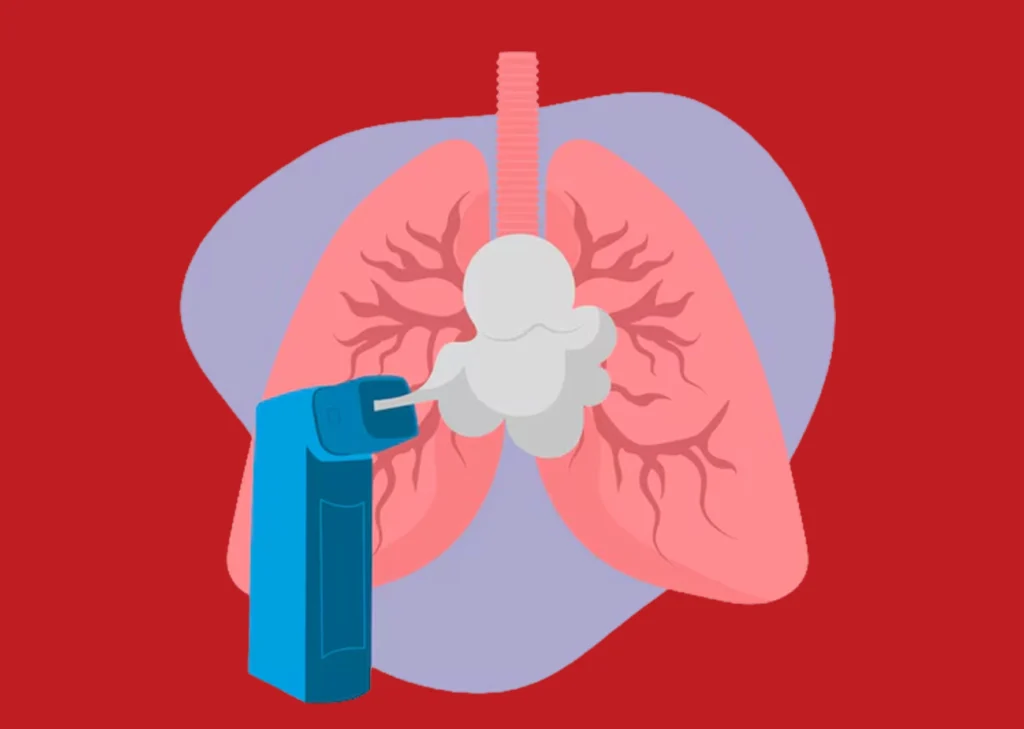
Not too long ago, inhalers were simple devices. You pressed, you inhaled, you hoped for relief.
The field of respiratory care is entering a new era today.
Nowadays, smart inhalers not only administer medication but also gather information, monitor trends, and assist physicians and patients in understanding what’s actually going on between flare-ups.
Perhaps it sounds futuristic. But it’s already here.
And for people living with asthma or COPD, this shift could be life-changing.
Let’s talk about what this really means in everyday terms.
Table of Contents
ToggleWhat Makes an Inhaler “Smart”?
At its core, an inhaler’s job hasn’t changed; it delivers medication into your lungs.
What makes smart inhalers different is that they include small sensors. These sensors record when the inhaler is used, how often, and sometimes even how effectively.
That information connects to an app on your phone or a monitoring platform used by healthcare providers.
Instead of guessing how often symptoms happen, you now have real data.
That’s where smart inhaler technology is quietly transforming respiratory care.
Why Tracking Matters More Than You Think
If you’ve ever been to a doctor’s appointment and struggled to remember how often you used your rescue inhaler last month, you’re not alone.
Memory isn’t always reliable, especially when you’re juggling work, family, stress, and health.
Smart inhalers remove that guesswork.
Through inhaler usage tracking, these devices record time-stamped data. That means:
- You know how often you’re using rescue medication
- Doctors can see patterns
- Flare-ups become easier to analyze
Sometimes people don’t realize their symptoms are increasing gradually. The data can reveal those patterns early.
And early awareness can prevent emergencies.
How Smart Inhalers Work (Without the Tech Jargon)
Let’s keep this simple.
Inside the inhaler (or attached to it) is a tiny sensor. When you press the inhaler, the sensor records that action. It sends the information to your smartphone via Bluetooth.
From there, an app stores the data and may even send reminders if you forget a dose.
That’s really it.
No complicated procedures. No wires. Just a small digital layer added to a familiar device.
When you know how smart inhalers work, they seem less scary and more useful.
They’re not replacing inhalers, they’re enhancing them.
The Real-Life Benefits
So what actually changes for patients?
Smart inhaler benefits go beyond numbers on a screen.
They can:
- Improve medication consistency
- Reduce missed doses
- Identify trigger patterns
- Support better communication with doctors
- Increase confidence in disease control
When someone sees objective data showing stable patterns, anxiety often decreases.
And when doctors see rising rescue inhaler use, they can adjust treatment before things escalate.
That’s proactive care.
Can They Help Predict Flare-Ups?
Here’s where things get interesting.
When usage patterns are tracked over time, certain trends can emerge. Increased rescue inhaler use over a few days may signal worsening inflammation.
Some systems are being designed to help predict asthma attacks with inhaler data analysis.
It’s not magic. It’s pattern recognition.
If your inhaler uses spikes during cold weather or pollen season, that information helps you prepare next time.
That’s where smart inhalers shift from reactive treatment to preventive strategy.
The Emotional Impact of Data
Let’s talk about something people don’t always mention.
Breathing problems can feel unpredictable.
That unpredictability creates stress.
When you start using smart inhalers, you gain visibility into your condition. Instead of wondering, “Is it getting worse?” you can look at actual trends.
That sense of clarity builds control.
And control reduces fear.
For many patients, emotional reassurance is just as important as the medical benefit.
Do They Replace Regular Doctor Visits?
No, but they enhance them.
When you visit your healthcare provider, instead of saying, “I think I used my inhaler more last month,” you can show exact numbers.
Conversations become more focused. Adjustments become more precise.
Doctors appreciate patterns. Patterns tell stories.
Smart inhalers provide that story in a way memory alone cannot.
Are There Any Downsides?
Like any technology, there are considerations.
- Cost can be higher
- Some people aren’t comfortable using apps
- Bluetooth connectivity may occasionally glitch
- Privacy concerns may arise
But many systems are designed with strong data protection standards.
And for people who prefer simplicity, traditional inhalers remain effective.
Smart inhalers are an option, not a requirement.
What This Means for the Future
Respiratory care has always focused on symptom relief.
Now, it’s shifting toward prediction and prevention.
As digital health expands, smart inhalers may integrate with wearable devices, environmental sensors, and even weather tracking systems.
Imagine receiving an alert saying:
“Air quality is poor today. Consider carrying your rescue inhaler.”
That future isn’t far away.
Smart inhalers represent a bridge between traditional medicine and personalized digital health.
Who Might Benefit Most?
People who:
- Frequently forget maintenance doses
- Have uncontrolled asthma
- Experience repeated flare-ups
- Want more insight into their condition
- Prefer structured monitoring
For someone newly diagnosed, the learning curve might feel overwhelming. But for someone struggling with unpredictable symptoms, the extra layer of tracking can be empowering.
Smart inhalers are not about surveillance.
They’re about support.
The Bottom Line
Respiratory care is evolving.
What used to rely solely on symptom reporting is now supported by data-driven insight.
Smart inhalers bring together medication delivery and real-time monitoring, helping patients stay consistent, helping doctors intervene early, and helping families feel more secure.
They don’t replace good medical care.
They enhance it.
And for many people living with asthma or COPD, that enhancement could mean fewer flare-ups, fewer emergencies, and more confident breathing.
The future of respiratory care isn’t just about stronger medicine.
It’s about smarter tools.
Frequently Asked Questions
1. What if I forget to check the app? Does that defeat the purpose?
Not really. The good thing is the inhaler keeps recording your usage in the background. Even if you don’t open the app daily, the data is still there. When you do check it or when your doctor reviews it, you’ll see the full picture. It’s meant to support you, not add pressure.
2. Will a smart inhaler change how my medication feels?
Certainly not, the medication itself stays the same. The tiny sensor, which is inside the inhaler, doesn’t interfere with how the medicine is delivered to your lungs. Think of it like a small add-on tracker usage, not something that changes the treatment itself.
3. I’m not very tech-savvy. Is this going to be complicated?
What if the Bluetooth stops working or doesn’t connect?
Honestly, it happens sometimes — just like when your earbuds don’t connect right away. It’s usually something small, like needing to turn Bluetooth off and back on, or reopening the app. And the good part? The inhaler doesn’t just forget what you did. Most smart inhalers store the information and sync it once everything reconnects. So you’re not losing your data just because of a tiny tech hiccup. That’s a common worry. Most smart inhalers are designed to be very simple. Once they’re paired with your phone, they pretty much run on their own. If you can use basic apps like messaging or weather apps, you’ll likely be comfortable using this too.
4. What if the Bluetooth stops working or doesn’t connect?
Honestly, it happens sometimes, just like when your earbuds don’t connect right away. It’s usually something small, like needing to turn Bluetooth off and back on, or reopening the app. And the good part? The inhaler doesn’t just forget what you did. Most smart inhalers store the information and sync it once everything reconnects. So you’re not losing your data just because of a tiny tech hiccup.
5. Are smart inhalers just another device, or do they actually make a difference?
Depending on the individual, yes. It might just be a useful extra tool for someone who already takes good care of their condition. However, for those who struggle with flare-ups, forget doses, or are unclear about symptom patterns can have a significant impact. Having such a smart device will provide you with comfort and benefits.