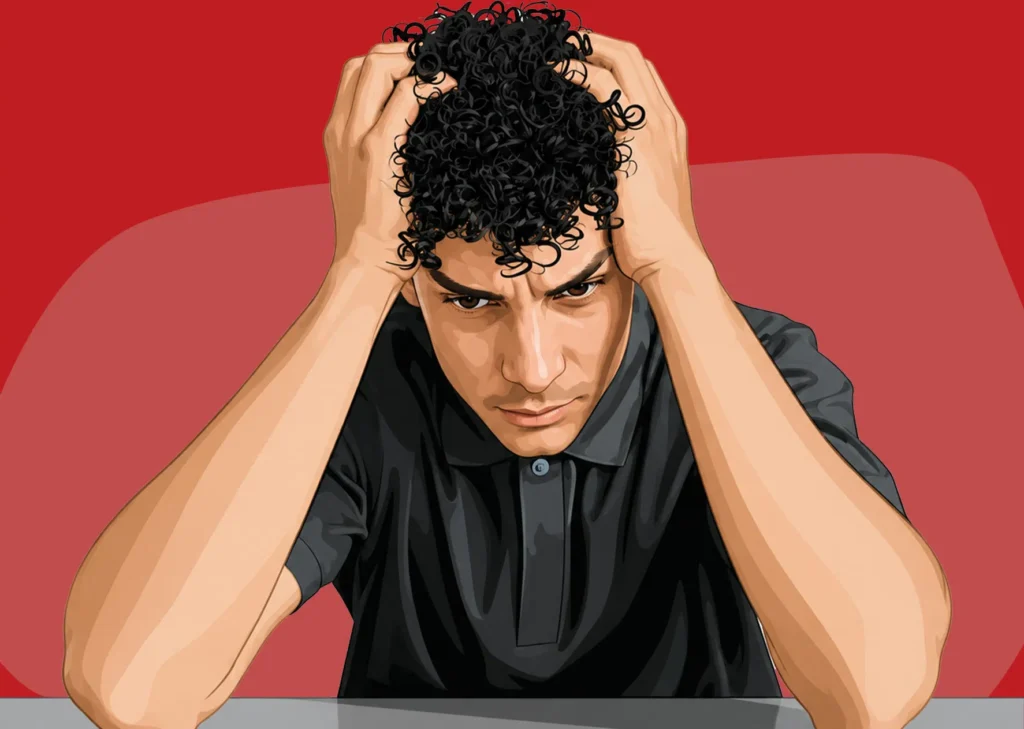
Look, this is one of those topics people Google at 2 am and then immediately close the tab if anyone walks in. But it’s worth talking about because there’s a lot of noise online, half of it saying masturbation is completely fine, the other half acting like it’ll ruin your life. The truth is somewhere in the middle, and it kind of depends on the person.
So yeah. Let’s get into it.
Table of Contents
ToggleFirst off – is masturbation even a problem?
Most of the time, no. Masturbation is normal. Doctors say it. Sex therapists say it. It’s been said so many times it almost sounds scripted. But here’s the thing, excessive masturbation is a different conversation entirely. When something starts interfering with your daily life, your relationships, your work, or your sleep, that’s when it stops being normal and starts being something worth paying attention to.
The side effects of excessive masturbation aren’t always physical. That’s what people miss. A lot of it is mental. Behavioral. And honestly, kind of gradual, which is why it sneaks up on people.
The Physical Stuff – And It’s Not Always Dramatic
People expect some big medical horror story. It’s usually not that. Most of the physical side effects of masturbating too much are annoyingly ordinary.
Skin irritation. Soreness. Chafing. Your body isn’t built for repeated friction without rest, and eventually it shows. Some people get minor swelling. Some notice temporary sensitivity loss, which, ironic as it sounds, is your nervous system basically asking for a break.
For men specifically, one of the more talked-about side effects of masturbation for men is something called delayed ejaculation. You get so used to a specific kind of stimulation that real intimacy stops feeling as satisfying. The brain recalibrates around what you’re giving it. That’s not a moral statement, it’s just how neural pathways work.
And for women, the side effects of masturbating for women are a bit different but still real. Vaginal soreness, irritation around sensitive tissue, and, in some cases, disrupted natural lubrication over time if the frequency is very high. Not everyone experiences this. But it happens.
There’s also fatigue. Which sounds weird but makes sense if you think about it, orgasms trigger a cascade of neurochemicals, and if you’re doing that multiple times a day, your body is burning through dopamine and prolactin in ways that can actually leave you feeling tired and flat afterward.
The Brain Part Is Honestly More Interesting
Or more concerning, depending on how you look at it.
Chronic masturbation, when it becomes compulsive, can rewire how your brain processes reward. It’s similar to what happens with any repetitive dopamine-releasing behavior. You’re not “addicted” in the traditional clinical sense (the science on this is still debated), but your brain does start associating that dopamine hit with specific stimuli. Porn, usually. Fantasy. A very specific set of conditions.
And outside of that? Things feel duller. Less interesting. This is sometimes called “flatlining” in certain online communities, periods of low mood, low motivation, and reduced interest in things you used to enjoy.
Now, whether this is directly caused by masturbation or by excessive pornography use alongside it is genuinely hard to separate. They often go together. But the side effects of chronic masturbation on mood and motivation are something real people report, even if the clinical research is still catching up.
What About Not Doing It At All?
This is the other end of the question. What are the side effects of not masturbating? Is that healthier?
Sort of, sometimes, for some people. There’s a whole movement, NoFap, retention, and semen retention, that makes pretty big claims about the benefits of abstaining. Some of it is plausible (better focus, increased energy in short bursts), some of it is exaggerated. There’s no strong clinical evidence that complete abstinence is medically necessary or universally beneficial.
But there are people, particularly those recovering from compulsive behavior, who genuinely feel better after taking a break. Their mood stabilizes. Their focus returns. They reconnect with partners. That’s real, even if the mechanism isn’t fully mapped out.

The Relationship Angle
This one doesn’t get enough attention.
Excessive masturbation can quietly corrode intimacy. Not in some dramatic way, more like slow erosion. You start preferring solo stimulation over partnered sex. Your partner notices you seem less engaged. You feel guilty but keep doing it anyway. That pattern, over time, does damage.
It’s not about whether masturbation is “bad.” It’s about what it’s replacing.
If it’s replacing rest, it’s a sleep problem. If it’s a replacement connection, it’s a relationship problem. If it’s replacing dealing with anxiety, boredom or loneliness, that’s worth looking at honestly.
Prone Masturbation – A Specific Thing Worth Knowing
If you’ve searched for what are the side effects of prone masturbation are, here’s the short version: “prone” means face-down, and the pressure and friction involved are significantly more intense than typical masturbation.
For men, it’s associated with a higher risk of delayed ejaculation and reduced penile sensitivity over time. Some sex therapists actively recommend against it and suggest transitioning to other methods. It’s not common knowledge, but it’s a real concern, especially for younger men who develop habits early.
Signs It’s Gone From “Normal” to “Too Much”
There’s no magic number. Some people masturbate daily, and it affects nothing. Others do it three times a week, and it’s already disrupting their lives. The frequency is less important than the impact.
Ask yourself: Is it affecting your sleep? Are you skipping things like plans, work, or meals to do it? Do you feel weirdly flat or low most of the time afterward? Does it feel compulsive, like you’re doing it out of habit or stress rather than desire?
If the answer is yes to more than one of those, you’re probably in the side effects of excessive masturbation territory, even if nothing physically obvious is happening.
Can You Actually Fix It?
Yeah, usually.
Taking a break, even just a week, can reset a lot. Some people find therapy helpful, particularly if compulsive masturbation is tied to anxiety, depression, or trauma (which it sometimes is). Cognitive behavioral therapy has decent evidence for this kind of behavioral pattern.
For physical issues like soreness or sensitivity loss, rest is usually enough. The body recovers. The brain takes a bit longer.
The goal isn’t shame. It’s not about masturbating again. It’s just like most things, moderation and self-awareness. Knowing when something that’s generally fine has tipped into something that isn’t.
FAQs
1. How often is "too much" when it comes to masturbation?
There’s no set number it’s too much when it starts affecting your daily life, relationships, or mental health.
2. Can excessive masturbation cause permanent damage?
Rarely. Most physical effects are temporary. Soreness, decreased sensitivity, etc., will clear up with rest.
3. Does masturbation affect testosterone levels?
Yes, there are short term fluctuations but the evidence for long term changes from regular masturbation is not strong.
4. Is compulsive masturbation a recognized addiction?
It’s not formally classified as an addiction in the DSM-5, but compulsive sexual behavior disorder is recognized in the ICD-11.
5. Should I see a doctor about it?
If it’s affecting your relationships, mood, or daily functioning, yes, a GP or therapist is a good starting point, no judgment involved.