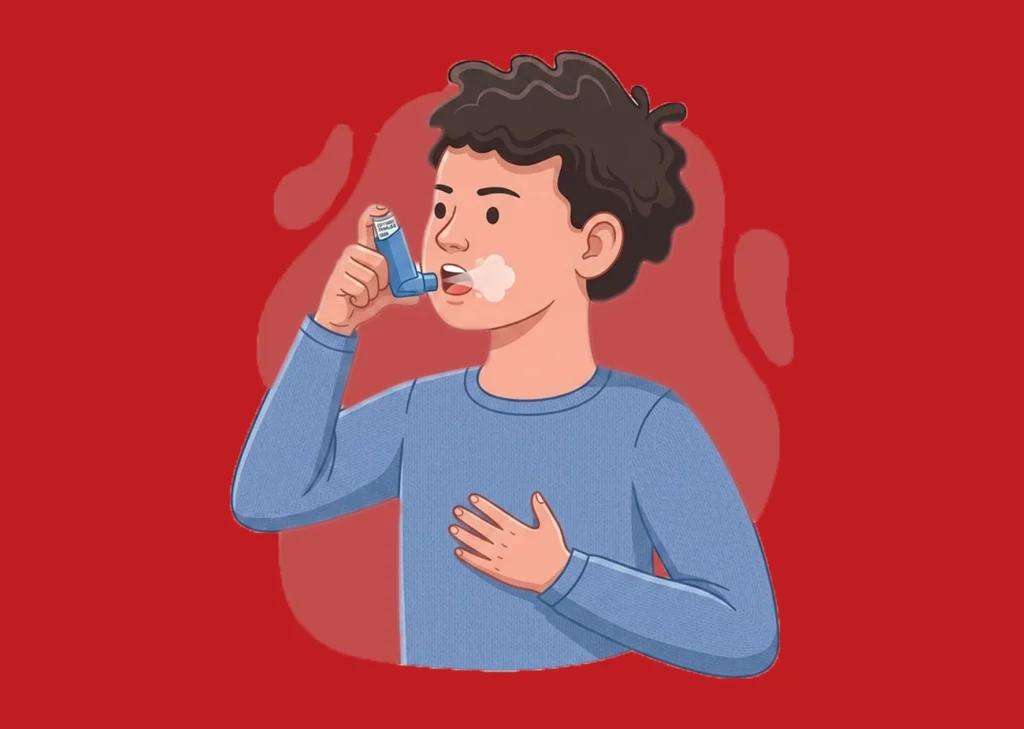
You already know this isn’t “just asthma” if you or someone close to you has severe asthma. It’s not the occasional wheeze after you go up stairs. It’s the kind that interrupts your sleep, limits your daily activities, and sometimes makes even a simple conversation feel exhausting.
Finding the right treatment for severe asthma can feel overwhelming. There are inhalers, tablets, nebulizers, lifestyle advice, and emergency plans. But in recent years, one approach has truly changed the game for many patients, i.e., combination inhaler therapy.
Today, let’s break it down in a simple, human way, without using sophisticated medical terms.
Table of Contents
ToggleFirst, What Makes Asthma “Severe”?
When asthma symptoms become severe, even with high-dose drugs. That means frequent flare-ups, repeated hospital visits, or constant dependence on rescue inhalers.
The conventional single-medication inhaler doesn’t work well enough for folks in this group. That’s where a more advanced treatment for severe asthma becomes necessary, something that works smarter.
What Is a Combination Inhaler?
A combination inhaler contains two kinds of medicines in one device:
- Inhaled Corticosteroid (ICS) – this medicine lowers swelling in the airways.
- Long-Acting Beta-Agonist (LABA) – makes it easier to breathe by relaxing the muscles in the airway.
Together, this is called an ICS LABA inhaler for severe asthma, and the combination is strong because it targets both inflammation and airway tightening.
This dual therapy treats both underlying causes of symptoms instead of treating one.
And for many patients, this becomes the cornerstone treatment for severe asthma that keeps daily life stable.
Why Combination Inhalers Are a Big Step Forward
Think of your airways like narrow roads during rush hour. Inflammation makes the road swollen and congested. Muscle tightening blocks traffic even more.
Taking just one pill is like fixing half the problem. A combination inhaler clears the swelling and relaxes the airways, making breathing smoother overall.
That’s why the combination inhaler benefits go beyond just being easy to use. They include:
- Fewer asthma attacks
- Better symptom control
- Reduced hospital visits
- Less need for oral steroids
- Improved quality of life
For a lot of people, switching to a combination inhaler becomes the turning point in their treatment for severe asthma journey.
How It Improves Daily Life
People living with severe asthma often have to be careful. They stay away from dust, cold air, exercise, pets, and sometimes even social events. It is because they are afraid of a sudden flare-up.
When the right treatment for severe asthma is in place, especially with a combination inhaler, something powerful happens, i.e., confidence returns.
Patients often say that:
- Sleeping through the night without coughing
- Using rescue inhalers less frequently
- Walking longer distances comfortably
- Feeling less anxious about sudden attacks
It’s not just about breathing better. It’s about living better.
Maintenance Matters More Than Rescue
One common mistake in asthma management is relying too much on rescue inhalers.
Rescue inhalers are for emergencies. They act fast but don’t control underlying inflammation.
A combination inhaler acts as a Maintenance inhaler for severe asthma, meaning it’s taken daily even when you feel fine.
This daily consistency prevents flare-ups instead of just reacting to them. Think of it as prevention rather than repair.
And in most severe cases, long-term treatment for severe asthma depends on regular maintenance therapy, not occasional relief.
Is It the Best Option for Everyone?
A lot of the time, Patients ask: What is the Best combination inhaler for asthma?
So what is the honest answer? – Hmm..it depends on many factors that doctors consider.
That includes:
- Age
- How bad the symptoms are
- Previous medication response
- Other health Issues
- How to use an inhaler
There isn’t one inhaler that works “best” for everyone. The finest one is the one that works well to control your symptoms with minimal side effects.
The purpose of any treatment for severe asthma is to give each person their own way to regulate their symptoms, not a one-size-fits-all solution.
What About Cost?
Another thing that people worry about but don’t talk about is how much things cost.
Taking medicine for a long time can be hard on your wallet. Thankfully, many brands and generic options now offer an Affordable combination asthma inhaler, which makes advanced therapy easier to get.
In many countries, insurance plans also cover combination inhalers because they reduce emergency visits, which ultimately lowers healthcare costs.
If cost is a barrier, it’s important to talk openly with your doctor. Managing severe asthma shouldn’t be a luxury.
Safety and Side Effects
Just like any other medicine, combination inhalers have side effects.
Such as:
- Slight discomfort in the throat
- Hoarseness
- Oral thrush (Which can be avoided by washing the mouth after use)
- Occasional tremors (from LABA component)
But if you use them correctly, they are considered to be safe and effective for long-term treatment for severe asthma.
Using the inhaler correctly is the most important thing. A lot of people don’t realize that they are using inhalers incorrectly. A simple demonstration from a healthcare professional can make a big difference in the results.
Why Treating Inflammation Is Crucial
Having severe asthma doesn’t just mean having problems breathing all of a sudden. It is a long-term disorder that causes inflammation.
Without controlling inflammation, the airway walls can become permanently thickened over time, a process known as airway remodeling.
That’s why anti-inflammatory therapy is the foundation of any effective treatment for severe asthma.
Combination inhalers make sure that inflammation is treated every day, not just when it happens.
Emotional Impact of Better Control
Asthma doesn’t only affect the lungs. It affects mental health.
Living with unpredictable breathlessness can create anxiety. Some patients develop fear around physical activity or even sleeping.
When a stable treatment for severe asthma is working well, something shifts emotionally:
- Anxiety reduces
- Physical activity increases
- Sleep improves
- Confidence returns
Breathing freely isn’t something most people think about until it becomes difficult. Regaining that comfort feels life-changing.
When Combination Therapy May Not Be Enough
In some very severe cases, doctors may add:
- Biologic injections
- Oral corticosteroids
- Additional inhalers
But even then, combination inhalers remain a core part of the overall treatment for severe asthma strategy.
They form the base upon which advanced therapies are built.
The Importance of Regular Follow-Up
Not all cases of asthma are the same; it changes with times
Frequent examinations ensure that your severe asthma treatment is still appropriate for you. When a patient’s history of lung function tests, symptom tracking, and flare-ups is reviewed, doctors are able to adjust dosages.
Even if you feel better, you should never stop using a maintenance inhaler without talking to your doctor first.
When you feel better, it usually signifies the treatment is working.
Final Thoughts
Severe asthma can feel overwhelming. But it’s manageable with the right approach.
Combination inhalers represent one of the most significant advances in modern treatment for severe asthma. By this, they provide strong control, fewer emergencies, and better daily living by treating both inflammation and airway constriction.
If you’re having trouble controlling your symptoms, it might be the correct time to discuss combination therapy with your healthcare provider.
Breathing shouldn’t be a daily battle. With the right care, it doesn’t have to be.
Frequently Asked Questions
1. What sets a combination inhaler apart from a regular inhaler?
A regular inhaler usually has just one medicine in it. A combination inhaler has both an anti-inflammatory drug (ICS) and a long-acting bronchodilator (LABA), which makes it more effective for severe cases.
2. Is combination therapy safe for long-term use?
That’s a very common concern. However, combination inhalers are safe for treating severe asthma over the long term. See your doctor on a regular basis to make sure the medication is still working for you and that the dosage is still appropriate.
3. If I feel better, can I stop using my inhaler?
No. Severe asthma requires consistent maintenance therapy. Stopping suddenly can lead to flare-ups.
4. Are combination inhalers expensive?
Many options today are more affordable than before, and insurance coverage is common. Consult your physician about more affordable options.
5. When will my condition improve?
It may take several weeks of regular use to fully benefit, but some people report feeling better in a matter of days. But it may take several weeks of consistent use to reap the full benefits. The secret here is to use the inhaler on a regular basis; maintaining a consistent routine becomes crucial to managing severe asthma.