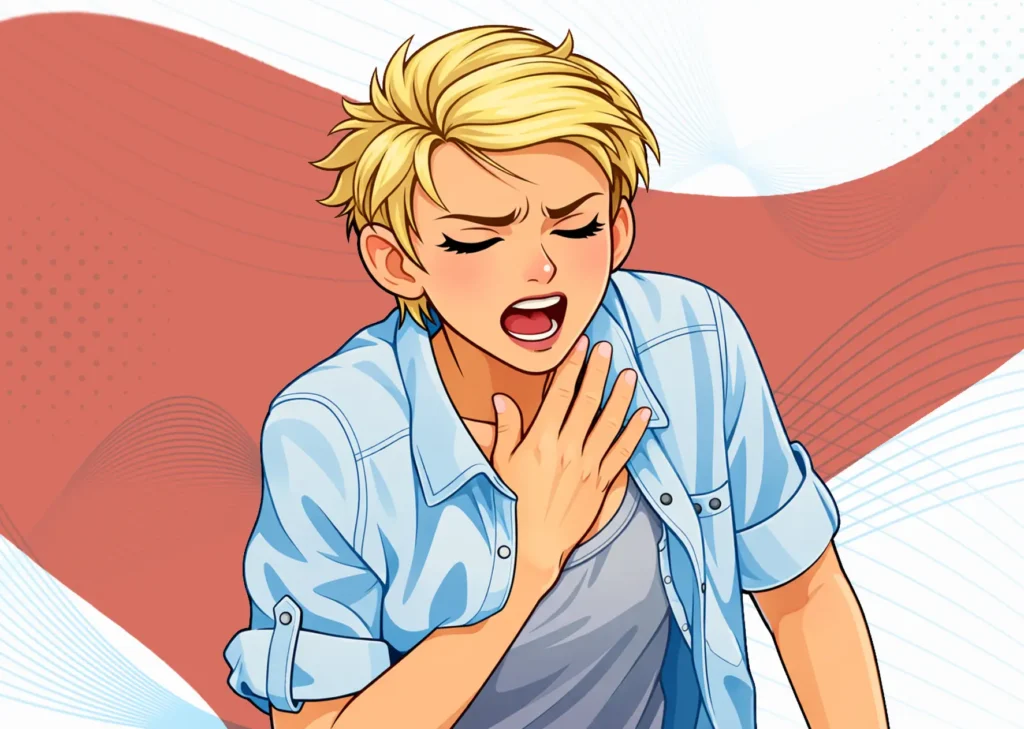
Have you ever noticed that a change in the weather, a dusty space, or even fresh flowers may make your breathing seem different?
You’re not imagining it. There is a definite link between allergies and respiratory symptoms, and for many people, it’s stronger than they imagine. Breathing becomes difficult when something that begins as sneezing or itchy eyes subtly spreads deeper into the chest.
Let’s discuss it in a straightforward, humane manner without using too much medical jargon.
Table of Contents
ToggleIt Often Starts Small
Most of us associate allergies with:
- Sneezing
- Runny nose
- Watery eyes
- Itchy throat
But allergies and respiratory symptoms don’t always stop there.
When your immune system reacts to something harmless like pollen, dust mites, pet dander, or mold, it can create inflammation not just in your nose, but throughout your airways. That’s when breathing changes begin.
And sometimes, they’re subtle at first.
What’s Really Happening Inside Your Lungs?
Let’s simply picture this.
When allergens enter your body, like pollen, dust, or pet dander, your immune system doesn’t see them as harmless. It reacts as if something dangerous just showed up. So it releases chemicals like histamine to fight back.
Now here’s the part most people don’t think about.
That same reaction isn’t limited to your nose. It can move deeper into your bronchial tubes, the small air passages that carry air in and out of your lungs.
That’s where the impact of allergies on lungs becomes important.
Inflamed airways can:
- Narrow
- Swell
- Produce excess mucus
- Become overly sensitive
This is why allergies and respiratory symptoms often go hand in hand.
You may feel:
- Chest tightness
- Shortness of breath
- Persistent coughing
- Wheezing
It’s not “just allergies” anymore. It’s your lungs responding.
Seasonal Changes and Breathing
Have you ever stepped outside on a beautiful spring morning, taken a deep breath, and instantly felt your chest tighten a little?
Spring looks fresh and alive, but for some people, it doesn’t feel that way inside the lungs.
When seasons change, the air changes too. Pollen level rises, plants release tiny particles into the wind, and suddenly the air is filled with things your body may not tolerate well. That’s how seasonal allergy breathing problems begin for many people.
If you’re sensitive, it’s not just a day or two of sneezing. It can mean weeks or sometimes months of irritated airways.
This is why allergies and respiratory symptoms tend to flare up during:
- Spring (tree pollen)
- Late summer (grass pollen)
- Autumn (weed pollen)
Even indoor allergies can worsen during monsoon or humid seasons due to mold growth.
When Allergies Trigger Asthma
For some people, allergies don’t just stop at sneezing or a runny nose. They go a step further, straight to the lungs.
If you already have sensitive airways, allergens can flip a switch. What might cause mild irritation in someone else can trigger a full asthma episode in you. This is what doctors call allergy-triggered asthma.
Here’s how it works:
Your airways are already sensitive. When allergens enter, the immune reaction causes:
- Sudden airway narrowing
- Increased mucus production
- Muscle tightening around the airways
Breathing becomes harder and sometimes frightening.
That’s when breathing can feel uncomfortable or even scary. You might notice wheezing, chest tightness, or that feeling like you just can’t get a full breath.
In a situation like this, allergies and respiratory symptoms aren’t just seasonal annoyances. They become something you have to actively manage.
If you find yourself wheezing or feeling breathless every time allergy season rolls around, it may not be “ just bad allergies.” It could be your body hinting that your airways are more reactive than you realized.
Chronic Breathing Struggles Linked to Allergies
Some people live with ongoing congestion and mild breathing difficulty and simply accept it as “normal.”
But persistent exposure to allergens can lead to chronic allergy breathing issues.
When airway inflammation continues for months or years:
- Airways remain sensitive
- Small triggers cause bigger reactions
- Lung function may gradually decline
That lingering cough you’ve had for months?
That constant throat clearing?
That breathlessness when climbing stairs?
They may all trace back to allergies and respiratory symptoms working together over time.
Why Some People Are More Affected
Not everyone with allergies develops breathing problems. So what makes the difference?
Several factors increase susceptibility:
- Family history of asthma or allergies
- Urban pollution exposure
- Smoking or second-hand smoke
- Early childhood respiratory infections
- Weak or overreactive immune response
When your immune system reacts strongly, it can lead to immune airway irritation, making your lungs extra sensitive to triggers.
And once that sensitivity develops, allergies and respiratory symptoms can feel more intense and frequent.
The Hidden Link Between Nose and Lungs
There’s a concept in medicine known as the “one airway concept.” It simply means your nose and lungs are part of the same respiratory system.
If your nose is inflamed, your lungs often follow.
This is why people with allergic rhinitis often notice coughing, chest tightness, or mild wheezing along with their nasal symptoms. Allergies and respiratory symptoms tend to show up together because the entire airway is connected.
It’s all connected.
Signs Your Allergies Are Affecting Your Breathing
Here are subtle clues that your allergies may be influencing your lungs:
- You cough more at night
- Exercise makes you wheeze
- You feel tightness in your chest during allergy season
- Cold air worsens your breathing
- You need to clear mucus from your throat frequently
If this sounds familiar, it’s not random. It’s the ongoing relationship between allergies and respiratory symptoms.
And recognizing it early makes a big difference.
How to Reduce Allergy-Related Breathing Issues
The good news? You’re not helpless.
Let’s stick to practical points:
1. Identify Your Triggers
First things first, figure out what’s actually setting you off. Is it pollen? Dust? Pet dander? Mold?
Allergy testing can give you clarity. And once you know your triggers, you can start limiting exposure. Allergies and respiratory symptoms can be greatly reduced by that alone. Although you have no control over the weather, you do have control over your surroundings.
2. Improve Indoor Air Quality
Since we spend most of our time indoors, the air inside your home matters more than you think.
- Make simple habits like using HEPA air filters
- Once a week, clean the bedding.
- Keep the humidity under control.
- Vacuum frequently.
- Avoid smoking inside.
Cleaner air leads to calmer airways.
3. Start treating nasal allergies right away
If you treat sneezing and congestion early, you can stop inflammation from getting into your lungs.
When nasal symptoms are treated, allergies and respiratory symptoms often go away.
4. Follow the treatment plans that have been suggested
If you have asthma or another long term respiratory condition, you should always follow your prescription, especially during allergy season.
If you don’t get treatment, inflammation can happen without you knowing it.
5. Improve Lung Health in General
- Keep moving.
- Don’t smoke.
- Try a few breathing exercises
- Continue eating a balanced diet.
When allergens are present, healthy lungs react more favorably.
Emotional Side of Allergy-Related Breathing Problems
Let’s be honest.
Struggling to breathe even mildly can feel scary.
Some people avoid outdoor activities during certain seasons. Others feel anxious about unexpected wheezing in public. It’s exhausting constantly check the air quality or worry about dust.
But you have power when you know how allergies and respiratory symptoms are related.
Fear lessens when you are aware of what is going on inside your body. You go from responding to controlling.
When to See a Doctor
Sometimes we brush things off and say, “It’s just allergies.” But there are moments when your body is asking for more attention.
You should consider seeing a doctor if you notice:
- Wheezing happens often, not just once in a while
- Breathlessness that wakes you up at night
- A cough that sticks around for more than 8 weeks
- Getting unusually tired or short of breath during simple activities
- Symptoms suddenly getting worse during allergy season
These aren’t small things to ignore. They can be signs that allergies and respiratory symptoms are becoming more than mild irritation. The sooner you deal with it, the easier it will be to handle. Early treatment not only helps with symptoms, but it also protects your breathing and keeps it steady and strong.
If something seems different or stronger than usual, trust your gut. It’s always better to check early than to wish you hadn’t waited.
The Bottom Line
Allergies aren’t always “just sneezing.” For many people, allergies and respiratory symptoms are deeply connected.
Inflammation that starts in the nose can move into the chest. Seasonal triggers can tighten airways. And being around it all the time can turn occasional discomfort into breathing problems that last.
But here’s the good news: awareness changes everything.
When you start paying attention to your body, when you identify what triggers you, and when you manage inflammation early, things become much more manageable. You move from reacting to symptoms… to staying ahead of them.
And that can mean easier breathing all year long, not just during allergy season.
Frequently Asked Questions
1. Do allergies truly make it hard to breathe?
Yes. When inflammation affects the lower airways, people with asthma may have trouble breathing, tightness in the chest, and wheezing, among other allergy and respiratory symptoms.
2. How can I tell if my cough is caused by an allergy?
If your cough gets worse at particular times of the season, after being around dust, or with sneezing and a stuffy nose, it could be because of allergies and respiratory problems.
3. Why do my allergies sometimes feel worse than a cold?
That’s a common confusion. A cold usually improves within 7 to 10 days. But if your symptoms keep coming back in certain seasons or around dust and pets, it’s likely allergies. With allergies and respiratory symptoms, the trigger sticks around, so the irritation keeps coming back, too.
4. Can allergies make me cough even if I don’t have asthma?
Yes, they can. Postnasal drip (when mucus trickles down the back of your throat) can trigger a dry, irritating cough. Sometimes allergies and respiratory symptoms show up as just a stubborn cough without wheezing. If it lingers, it’s worth discussing with a doctor.
5. Why do I feel chest tightness only during certain months?
That usually points toward seasonal triggers like pollen or mold. During those times, your immune system is more reactive, which can increase airway sensitivity. That’s how allergies and respiratory symptoms can suddenly feel more intense during spring or monsoon.