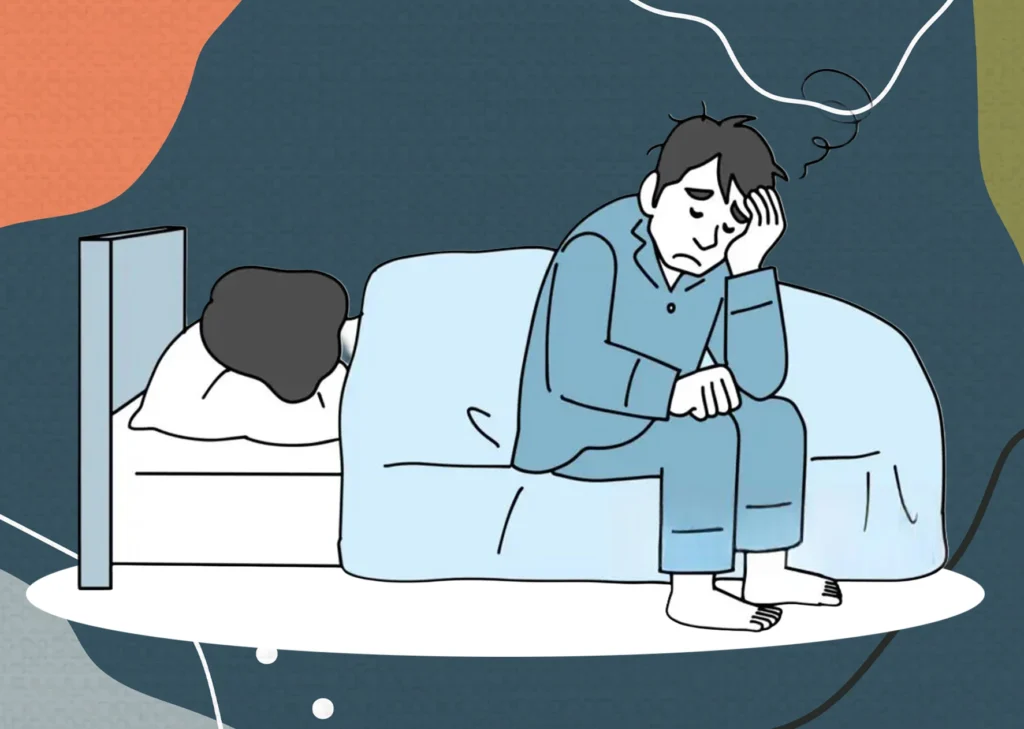
Erectile dysfunction (ED), difficulty getting or keeping an erection firm enough for sex, is common and surprisingly informative: it’s often a symptom of underlying physical or emotional issues rather than a standalone problem. The good news is that many men see real improvement simply by changing day-to-day habits. This post breaks down practical, evidence-based lifestyle strategies you can start today: exercise, weight loss, sleep and stress management, quitting smoking, reducing alcohol, and other natural approaches to improve erection strength. Throughout, I’ll weave in the most reliable guidance and point you to clinical sources so you can dig deeper.
Table of Contents
ToggleWhy lifestyle matters
ED is frequently linked with vascular, metabolic, or hormonal health. Because erections depend on good blood flow, nerve function, testosterone levels, and healthy endothelial (blood-vessel) function, lifestyle factors that improve cardiovascular and metabolic health often improve erections too. In other words, fixing the foundations (heart, circulation, weight, sleep, stress) often improves sexual function.
1) Exercise for erectile dysfunction
Regular physical activity is one of the single most reliable lifestyle steps for ED. Exercise helps by:
- Improving blood flow and endothelial function (the ability of vessels to dilate).
- Reducing inflammation and improving insulin sensitivity.
- Lowering blood pressure and improving cholesterol are both important for penile circulation.
- Helping with weight loss and boosting mood/testosterone.
What to do: aim for a mix of aerobic (walking, cycling, swimming) and resistance training (weights, bodyweight exercises). Clinical guidelines and reviews show structured exercise programs can significantly improve erectile function, particularly in men with obesity, metabolic syndrome, or cardiovascular risk factors. Even moderate increases in activity a brisk 30-45 minute walk most days, can make a meaningful difference over weeks to months.
Practical plan:
- Start with 20–30 minutes brisk walking 3–5x/week.
- Add 2 sessions/week of strength training (squats, lunges, pushups).
- Progress slowly; consistency matters more than intensity.
2) Lose extra pounds
Carrying excess weight, especially central belly fat, is strongly associated with ED. Fat tissue produces inflammatory molecules and can lower bioavailable testosterone; obesity also increases the risk of diabetes and vascular disease, both ED drivers. Losing as little as 5–10% of body weight often improves erectile function in men with overweight or obesity. Combining diet changes with exercise gives the best results.
Diet tips that help erections:
- Prefer a Mediterranean-style diet (vegetables, fish, whole grains, nuts, olive oil).
- Cut processed sugars and refined carbs that spike insulin.
- Watch alcohol and calorie density.
- Prioritize protein and fiber to feel full with fewer calories.
3) Quit smoking
Smoking damages blood vessels and reduces nitric oxide, the chemical that allows penile arteries to relax and fill with blood. Numerous studies show that quitting smoking improves erectile function; the degree of recovery depends on age and how severe the ED was before quitting, but many men regain measurable improvement within months to a couple of years. If you smoke, quitting is one of the most impactful things you can do for both sexual and overall health.
How to quit:
- Use evidence-based supports: behavioral counseling, nicotine replacement, or prescribed medications (discuss with your doctor).
- Track triggers (alcohol, stress) and replace the habit (walk, deep breaths).
- Expect setbacks; successful quitting often takes multiple attempts.
4) Reduce alcohol
Alcohol’s relationship with erections is complex. Moderate drinking may not harm, and some studies show light–moderate amounts might even be associated with lower ED risk, but chronic heavy drinking is clearly harmful to erectile function (via hormonal disruption, nerve damage, liver disease, and vascular injury). If you drink heavily, cutting back or stopping can lead to significant improvements in sexual performance. For those who drink socially, moderating consumption and avoiding drinking near sexual activity is advisable.
Practical guidance:
- Follow standard moderate-drinking limits (if you choose to drink): up to 1 drink/day for women and up to 2 for men, but when ED is a concern, aim lower.
- Avoid binge drinking.
- If you suspect alcohol dependence, seek professional help (it also affects testosterone and sleep).
5) Prioritize sleep
Quality sleep matters. Sleep disorders and Short sleep duration are associated with higher ED risk and lower testosterone. Poor sleep increases stress hormones, reduces libido, and impairs the physiological nighttime erections that help maintain penile health. Improving sleep hygiene, maintaining consistent bedtimes, limiting screen time before bed, and treating sleep apnea can help sexual performance and increase overall energy.
Sleep tips:
- Aim for 7–9 hours nightly.
- Keep a regular sleep schedule.
- Talk to your doctor if you snore loudly, gasp in sleep, or feel excessively sleepy (possible sleep apnea).
6) Manage stress and mental health
Depression, stress and anxiety are major contributors to ED. Stress triggers sympathetic nervous system dominance (“fight or flight”), which interferes with the relaxation and blood-flow mechanisms needed for erection. Mindfulness, CBT (cognitive behavioral therapy), couples counseling, and simple stress-reduction practices (deep breathing, short walks, journaling) can restore sexual confidence and performance. If mental health is a concern, get professional support — therapy and, when appropriate, medication can be transformative.
Practical practices:
- Daily 10-15 minute mindfulness or breathing practice.
- Schedule “pressure-free” intimacy (reduces performance anxiety).
- Consider sex therapy or couples counseling if relational factors are present.
7) Pelvic floor training and natural ways to improve erection strength
Pelvic floor exercises strengthens the muscles that support erection and ejaculation. When combined with lifestyle changes, pelvic floor training can improve erection firmness and control. Other natural strategies include reviewing current medications (some drugs cause ED), optimizing testosterone if clinically low, and addressing cardiovascular risk factors. Supplements for ED are widely promoted, but evidence varies; always check with a clinician before starting anything new.
How to do Kegels:
- Identify pelvic floor muscles (stop urine midstream to feel them).
- Tighten for 3–5 seconds, relax for 5 seconds; repeat 10–15 times, 2–3x/day.
- Combine with breathing and posture, avoid holding breath.
A 12-week practical program
If you want a structured start, here’s a realistic, evidence-based 12-week plan combining the elements above:
Weeks 1–4 (Foundation)
- Start 20–30 min brisk walks 4x/week.
- Replace sugary drinks; add extra vegetables and a lean protein daily.
- Remove cigarettes/plan your quit strategy.
- Go to bed 30 minutes earlier; set a consistent wake time.
- Begin pelvic floor exercises (two short sets daily).
Weeks 5–8 (Build)
- Add 2 strength sessions/week (bodyweight or weights).
- Cut alcohol to weekends or less; track drinks.
- Begin 10 minutes/day of guided mindfulness for stress.
- If snoring or daytime sleepiness persists, book a sleep evaluation.
Weeks 9–12 (Optimize)
- Increase aerobic to 30–45 minutes; mix intervals.
- Check progress: weight, energy, erections (patient diaries help).
- See primary care for bloodwork (glucose, lipids, testosterone if indicated).
- Consider sex therapy if anxiety or relationship issues persist.
Small wins compound. Many men report measurable improvements in erection strength and confidence within 8–12 weeks when they adhere to lifestyle changes and address medical issues in parallel.
When lifestyle changes aren’t enough
Lifestyle interventions are powerful but not always sufficient alone, especially when ED is due to irreversible nerve injury, advanced vascular disease, or certain neurological conditions. Effective medical treatments for ED (oral PDE5 inhibitors like sildenafil, vacuum devices, injections, or implants) exist and can be combined with lifestyle changes. Importantly, ED can signal cardiovascular risk; if lifestyle changes don’t work or if you have risk factors (chest pain, uncontrolled diabetes, severe hypertension), see a clinician promptly.
Realistic expectations and measurement
Improvement timelines vary:
- Quitting smoking: some improvement within months; better results with earlier cessation.
- Exercise & weight loss: measurable improvement often seen at 8–12 weeks, more if weight loss is achieved.
- Reducing alcohol: improvement once dependency/overuse is reversed; acute drinking can blunt erections.
- Sleep and stress: changes in sleep habits and therapy can produce rapid subjective benefit for anxiety-related ED; hormone-related effects may take longer.
Keep a simple log (sleep hours, alcohol intake, cigarettes, exercise minutes, and erection firmness) to track correlations and motivate consistency.
Final notes
ED is common and treatable. For many men, simple changes, such as getting moving, losing weight, quitting smoking, cutting back on alcohol, improving sleep, and managing stress, can restore both erections and confidence. Think of lifestyle change as investing in both sexual health and long-term wellbeing. Combine practical habit shifts with medical evaluation when needed, and don’t hesitate to seek help: ED is a medical symptom with effective solutions, not a life sentence.
FAQs
Yes, many men respond well to stress-management (CBT, mindfulness), couples therapy, and pelvic floor exercises. If anxiety is severe, short-term medication plus therapy can speed recovery.
Some studies show measurable physiological improvements within weeks, and meaningful clinical improvement for many within months to a year; age and baseline ED severity affect recovery.
Light to moderate drinking is not clearly harmful and may have neutral or slightly protective associations in some studies, but heavy or chronic drinking increases ED risk. If ED is a problem, cutting back is sensible
Weight loss often helps: losing 5–10% of body weight can improve circulation, hormones, and erections, especially when combined with exercise.
Some supplements show modest benefit in small studies, but quality varies, and interactions/contamination are concerns. Discuss supplements with your clinician before starting.
References
- American Urological Association (AUA) — Erectile Dysfunction: AUA Guideline (2018). American Urological Association
- Maiorino MI, et al. Lifestyle modifications and erectile dysfunction: what can be expected? (PMC review). PMC
- Pourmand G, et al. Do cigarette smokers with erectile dysfunction benefit from quitting? (PubMed). PubMed
- Li S, et al. A Meta-Analysis of Erectile Dysfunction and Alcohol (2021). PubMed
- Zhang F, et al. Short Sleep Duration and Erectile Dysfunction (2022, PMC). PMC
- European Association of Urology — Management of Erectile Dysfunction (guidance noting lifestyle modification benefits). Uroweb