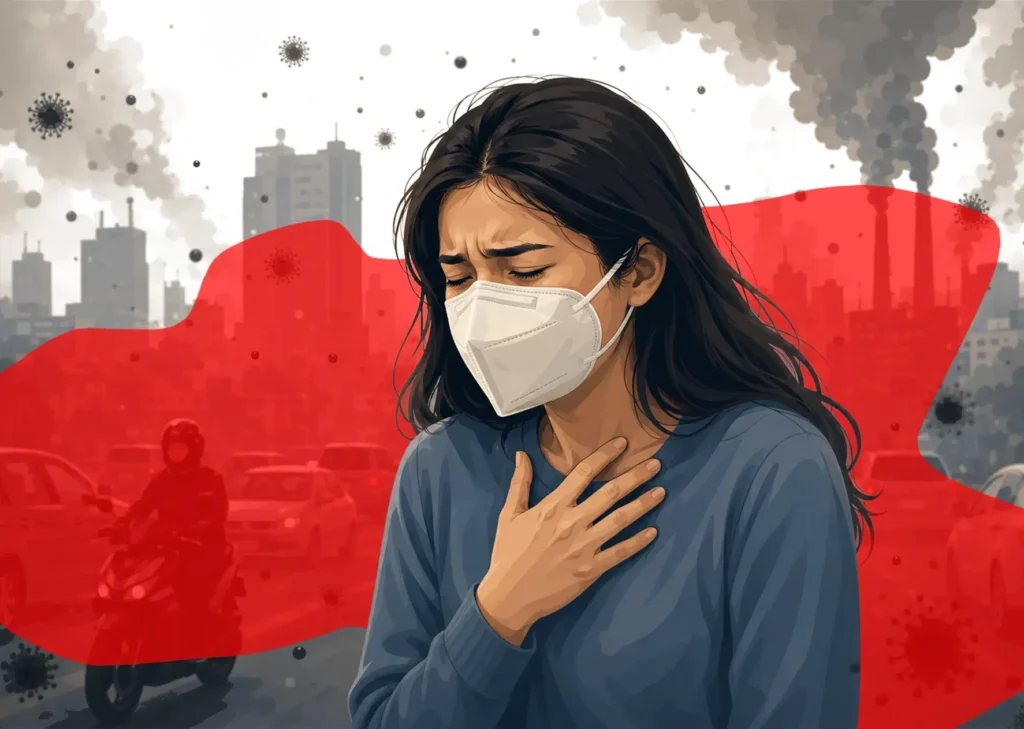
Does your throat seem scratchy, and does it feel like there’s something clawing at it when you’ve spent too much time outside? Does it often feel too dry? If your answer is yes, then you’re not alone. This is a very common experience that more and more people have been dealing with. You might think that maybe you just didn’t hydrate well that day or maybe you’re having some seasonal allergies. Those are reasonable conclusions anyone might arrive at, but what if we told you that the real reason for this is something that you cannot even see?
The truth is that air quality has become one of the biggest hidden health concerns of modern life. Many people only think about pollution when they see smog hanging over a city skyline. In reality, dangerous particles and gases often exist indoors and outdoors even when the air looks completely normal. These pollutants can trigger headaches, fatigue, coughing, allergies, and long-term respiratory problems without immediate warning signs.
It’s present in the traffic outside your house and even in the living room of your apartment. You don’t see it, but it’s there, quietly affecting the way you breathe every single day. These are the invisible air pollution triggers that are affecting your lungs and breathing.
The thing is that air quality has emerged as one of the biggest health concerns in our modern lives. Most of us just think about air quality and urban air pollution health effects when we see thick smog hanging over the city or when we see photos and videos of factories ejecting huge amounts of smoke or gases in the atmosphere.
Unfortunately, the reality is much darker, and there are indoor air quality risks like dangerous particles always hovering around us. Just waiting to be inhaled and to cause lung irritation. This can lead to respiratory issues due to pollution and poor air quality symptoms like headaches, fatigue, coughing, allergies, or even long-term respiratory complications.
According to the WHO, there have been around 7 million premature deaths that have happened every year which are linked to air pollution exposure. WHO has also estimated that around 90% of the global population already breathes in air that far exceeds the pollutant limits and hence, observes various air pollution effects in their bodies. Poor environmental air is not just a one-off occurrence anymore, it has become a part of most people’s everyday lives.
When people discuss wellness, they often focus on diet, sleep, and exercise. However, air quality plays an equally critical role in overall health because breathing is continuous and unavoidable. An average person takes roughly 20,000 breaths daily, meaning even low-level exposure to pollutants accumulates over time.
Table of Contents
ToggleWhy is healthy air quality important?
The question and context are obvious enough for people to answer, but we will still look into air quality and what happens when it’s too bad for an average body.
When we talk about wellness and how to maintain personal health, our focus is often times centered around our diet, exercise, or sleeping habits. Most people look over air quality, which is arguably an equally important facet of our overall well-being that we should be considering. An average individual takes about 20,000 breaths on a daily basis, which is why any kind of breathing difficulty can impact their well-being by a lot, and even moderate exposure to pollutants can cause lung irritation from pollutants.
The biggest concerns in the subject area of air quality are PM2.5, ozone, smoke residues, mold particles, and nitrogen dioxide. All of these substances and particles are microscopic enough to enter the lungs and even the bloodstream in some cases.
Long-term exposure to these particles has been shown to cause cardiovascular diseases, chronic lung conditions, strokes, infections, and even lung cancer. WHO has said that both outdoor pollution and indoor air pollutants have a health impact which is negative and always leads to health risks.
Air quality that’s poor won’t always cause immediate effects in the body, which is why most of us don’t recognize the silent killer lurking amongst us until it hits us severely and chronic health issues begin developing.
PM2.5 exposure effects and Inhalers
One of the most dangerous kinds of pollutant present in the air is particulate matter, also known as PM2.5. PM2.5 is so microscopic that it has a diameter that’s less than 2.5 micrometers, that’s about 30 times smaller than human hair. Its smaller size makes it possible for it to corrode the alveolar walls of the lungs and start affecting them and how an individual breathes.
The PM2.5 exposure effects are especially concerning because these particles bypass the body’s natural defense mechanisms and settle deep inside the lungs. Studies have connected long-term PM2.5 exposure with asthma, chronic bronchitis, heart disease, and reduced lung function.
Due to this, the airways get irritated and inflamed, which is why the lungs don’t function as they should. Particular matter like PM2.5 and PM10 as well is produced by vehicle exhaust, industrial emissions, construction dust, and burning fuels. The issue of particulate matter is that it bypasses the body’s natural defense mechanisms and settles deep inside the lungs, causing severe lung and airway irritation.
Studies have evidence that long-term exposure to PM2.5 is related to asthma, chronic bronchitis, and reduced functioning of the lungs. Along with indoor pollution, outdoor pollution has been a growing concern over the years.
In metropolitan cities which pack a dense crowd, these particles are some of the leading asthma triggers from air pollution. They also affect how comfortably your body is able to breathe. Just imagine that you’re leaving your workplace or academic institution and you have to take a walk during rush-hour traffic, even that short exposure can irritate your lungs and lead to inflammation in people who are sensitive to particulate matter.
This is where inhalers come in. Regular usage of inhalers has been shown to reduce asthma attacks since they efficiently deliver the medicine directly to the lungs. Inhalers help clear out the airways and short-acting inhalers help relax the bronchial tubes which open up the airways. Long-acting inhalers help in calming down the immune response of the body and decrease the production of mucus and swelling in the airways. This helps individuals in dealing with chronic asthma triggers from pollution.
Final Thoughts
The most dangerous thing for our lungs in present times is pollution that we cannot see with our naked eye. Smoke, gases, chemical emissions, and invisible particles around us are constantly shaping how we’re breathing, sleeping, and ultimately functioning every single day. Every waking breath that we’re taking is influenced by our air quality. This declining air quality is affecting millions and millions of individuals long before they even get diagnosed with any sort of illness.
Knowing about these risks and understanding how to protect yourself is the first and most important step you can take for your lungs and general wellbeing. Urging the government to also pay attention to the declining air quality makes a huge difference. Protecting it at a community level is beneficial for everyone’s well being. Till then, protecting your personal health is very essential.
The air may be visible but the effects it has on your body are very real and something everyone should keep in mind.
FAQs
1.Is indoor air pollution worse than outdoor air pollution?
Only sometimes. Sometimes indoor areas are not ventilated properly, which ends up trapping mold or other dust particles, which could be worse.
2. How does air pollution trigger asthma?
There are several asthma triggers from pollution a person can experience, such as coughing, wheezing, or experiencing tightness in the chest.
3. How helpful are inhalers to manage pollution symptoms?
Inhalers become very vital in this situation. They are able to directly deliver medicine to the lungs and act as a protective shield against pollutants.
4.Can I improve indoor air pollution?
Improving indoor ventilation, reducing chemical cleaners, and controlling the humidity in indoor areas can help a person deal with indoor pollution naturally.