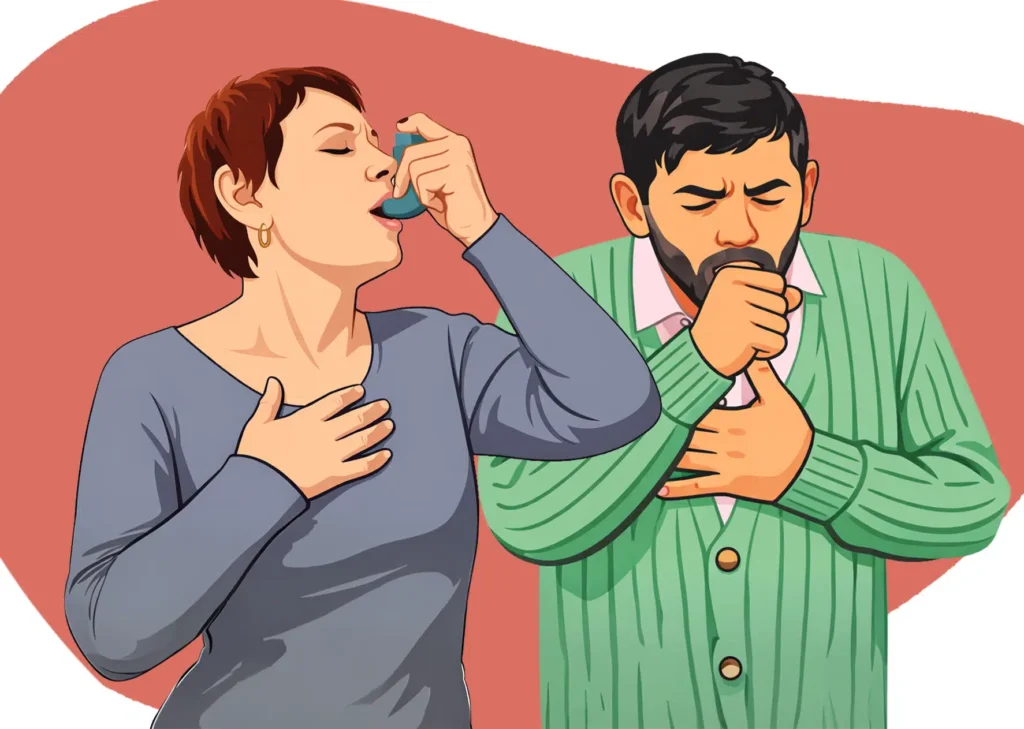
Step outside on a January morning with asthma or COPD and you already know what’s coming. That sharp, cold air hits your chest and suddenly your airways decide they’ve had enough. The tightening starts, breathing gets shallow, and what should have been a quick walk to the car turns into a whole ordeal.
Cold weather and lung conditions are a genuinely terrible combination. Not just uncomfortable, actually dangerous for a lot of people. And yet most advice floating around online barely scratches the surface. Wear layers. Stay inside. Avoid triggers. Cool, thanks for nothing.
What actually helps goes a lot deeper than that. After talking to respiratory patients and looking at what specialists consistently recommend, here’s what genuinely makes a difference when winter hits and breathing gets hard.
Table of Contents
ToggleWhat’s Actually Happening When Cold Air Hits Your Lungs
This is worth understanding before anything else because it changes how you approach solutions.
Cold air does two things simultaneously that your airways hate. First, it’s dry. Really dry. Your airways need moisture to function properly and cold air strips that away fast. Second, the temperature itself causes bronchial muscles to constrict. For someone without asthma or COPD, this is a minor annoyance. For someone with sensitive or already-damaged airways, it can spiral into a full attack or exacerbation within minutes.
Then layer on everything else winter brings:
- Forced air heating drying out your home for months straight
- More time indoors concentrating dust, pet dander, and mold in enclosed spaces
- Cold and flu viruses spreading aggressively through every building you enter
- Wood smoke from fireplaces hanging in cold, still air
- Barometric pressure swings from winter storms that genuinely do affect breathing
You’re not dealing with one problem. You’re dealing with six or seven stacked on top of each other simultaneously. That’s why breathing easier in winter with asthma and COPD requires tackling multiple things at once rather than finding one magic solution.
The Scarf Thing Is Not Outdated Advice
People roll their eyes at being told to wrap a scarf around their face. But respiratory specialists keep recommending it because it actually works and the reason why is straightforward.
Breathing through fabric, even loosely, slightly warms and humidifies air before it reaches your bronchial passages. That small difference matters enormously to hyperreactive airways. Purpose-made cold weather breathing masks exist too, designed specifically for asthma and COPD patients, if you’d rather not spend winter looking like you’re about to rob a bank.
More importantly, breathe through your nose when you’re outside rather than your mouth. Nasal passages do real work warming and filtering incoming air. Your mouth bypasses all of that and sends cold, unfiltered air straight down into your lungs. It seems minor but over time during a cold day it adds up significantly.
Indoor Air Quality Gets Worse in Winter and Most People Don’t Notice
Sealing your home against cold weather sounds like the obvious protective move. In reality it creates a different problem. You’re now spending sixteen or more hours daily in a space where allergens, chemical irritants, and dry air have nowhere to go.
A few things that actually help:
Run a humidifier. Target indoor humidity around 40 to 50 percent. Below that range your airways dry out and become reactive. Above 50 percent you risk encouraging mold and dust mites which are their own respiratory nightmare. A cheap hygrometer from any hardware store tells you where you actually stand.
Change your HVAC filters more often. Standard advice says every 90 days. For households with respiratory patients, monthly changes during heavy heating season make a real difference. Clogged filters recirculate exactly what you’re trying to avoid breathing.
Be honest about candles and air fresheners. They smell nice. They also release volatile organic compounds that irritate airways regardless of how pleasant the scent is. Asthma breathing tips in winter consistently include cutting these out, and it genuinely does help many people.
Crack a window on milder days. Even briefly. Indoor air quality during winter is often measurably worse than outdoor air, and occasional ventilation breaks up the concentration of indoor pollutants.
Your Inhaler Behaves Differently When It’s Cold
Here’s something nobody mentions enough in asthma and COPD cold weather precautions. Metered dose inhalers contain propellant that loses pressure in cold temperatures. If your rescue inhaler has been sitting in your coat pocket or bag in freezing weather, it may deliver less medication than you expect right when you need it most.
Keep your rescue inhaler against your body. Inside jacket pocket, pants pocket, wherever stays close to body temperature. That warmth maintains proper propellant pressure so the medication actually delivers correctly.
For dry powder inhalers the concern runs opposite. Moisture can clump the powder inside. Store these correctly and follow manufacturer guidelines carefully.
And please, never leave home without your rescue inhaler in winter. COPD cold weather breathing situations can go bad quickly and being caught outside without medication creates genuinely dangerous emergencies.
Exercise Doesn’t Have to Stop But It Does Need Adjusting
Skipping physical activity entirely through winter months isn’t the answer. Exercise strengthens respiratory muscles, improves overall lung function, and keeps you from deconditioned in ways that make everything harder come spring. The goal is adjusting how and where it happens.
When temperatures drop below ten degrees Fahrenheit, outdoor exercise becomes genuinely risky for most people with significant asthma or COPD. The cold air volume you inhale during exertion is simply too much for airways to handle safely.
Indoor alternatives work well. Gym facilities, community centers, heated pools. Swimming deserves particular mention because warm, humid pool air is actually quite supportive for breathing during exercise. Many respiratory patients find it the most comfortable vigorous activity available to them.
For outdoor activity on milder winter days:
- Exercise during midday when temperatures peak rather than morning or evening
- Ask your doctor about pre-treating with your rescue inhaler 15 to 20 minutes before going out
- Warm up very gradually, don’t just start moving fast
- Cover your mouth and nose during the activity
Respiratory Infections Are the Biggest Threat Most People Underestimate
A cold or flu that your coworker powers through in three days can put an asthma or COPD patient in hospital. This is not exaggeration. Respiratory infections in people with underlying lung conditions trigger exacerbations that can take weeks or months to fully recover from.
Annual flu vaccination is one of the most important asthma and COPD cold weather precautions available. So is pneumococcal vaccine for bacterial pneumonia protection. These aren’t suggestions for the overly cautious. They’re legitimate protective interventions specifically for people whose lungs can’t afford the hit.
Beyond vaccines, none of this is complicated. Wash hands properly and frequently. Stop touching your face. Keep distance from obviously sick people even when those people are family members you love. Treat emerging infections aggressively rather than hoping they’ll pass. Contact your doctor early, before symptoms escalate, because catching things early genuinely changes outcomes with respiratory conditions.
Hydration in Winter Is More Important Than People Realize
Most people drink less in winter because cold weather suppresses thirst signals. Your body doesn’t feel thirsty the way it does in summer heat, so fluid intake drops without you noticing.
For asthma and COPD patients this matters because dehydration thickens airway secretions. Thick mucus is harder to clear, more likely to obstruct airways, and for COPD patients whose mucus clearance is already compromised, this worsens everything.
Eight cups of water daily as a rough minimum keeps airway secretions thin and manageable. Warm drinks help too, herbal tea, warm water with lemon, anything that adds fluid and provides the bonus of inhaling warm, moist air while drinking.
Heavy meals also deserve a mention here. Particularly for COPD patients, large meals push the diaphragm upward and reduce how fully lungs can expand. Smaller meals more frequently avoids that unnecessary pressure on already limited breathing capacity.
What Actually Separates People Who Manage Well from Those Who Struggle
Honestly it mostly comes down to preparation happening before things get bad rather than scrambling after they already have.
The people who handle winter best with asthma and COPD aren’t special cases with mild disease. They’re people who check their medications before October, talk to their doctors about adjusting management plans for colder months, fix their indoor air situation before sealing the house up for winter, get vaccinated early, and stay honest with themselves about when symptoms are getting worse rather than hoping things will turn around on their own.
Winter asthma and COPD relief tips work when they’re applied consistently as a seasonal system, not grabbed randomly when you’re already in the middle of struggling. Treat cold weather as a season requiring specific preparation the way you’d winterize anything else that matters to you. Your lungs are worth at least that much effort.
FAQs
1. Why does cold air trigger attacks even when I'm dressed warmly?
Warm clothing doesn’t warm the air you breathe. Your airways receive unwarmed air regardless of how many layers you’re wearing. Only breathing through a nose covering or scarf actually addresses the temperature of incoming air before it reaches bronchial passages.
2.Should COPD patients stay completely indoors through winter?
No, and attempting to do so causes its own problems. Physical deconditioning, mental health deterioration, and reduced overall function all result from prolonged inactivity. Strategic outdoor time with appropriate precautions beats isolation for most patients with stable conditions.
3.My indoor heating seems to make symptoms worse. Is that common?
Very common. Forced air heating dries indoor air significantly, circulates dust and allergens, and creates conditions that irritate sensitive airways. Adding a humidifier, changing filters more frequently, and moderating temperatures rather than keeping homes excessively warm all help.
4.How do I know when worsening winter symptoms need emergency care?
Seek emergency care if your rescue inhaler provides no relief or effects last less than four hours, if you cannot complete sentences due to breathlessness, if fingertips or lips appear bluish, or if breathing effort makes walking or normal movement extremely difficult. When genuinely unsure, seek care rather than wait.
5.Does what I eat actually affect my breathing in winter?
More than people expect. Anti-inflammatory eating patterns consistently show benefits for respiratory patients in research. Fresh vegetables and fruits, oily fish, whole grains, and olive oil support airways. Processed foods and refined sugars promote inflammation that worsens both asthma and COPD. It’s not a replacement for medication but it’s a genuine contributing factor.