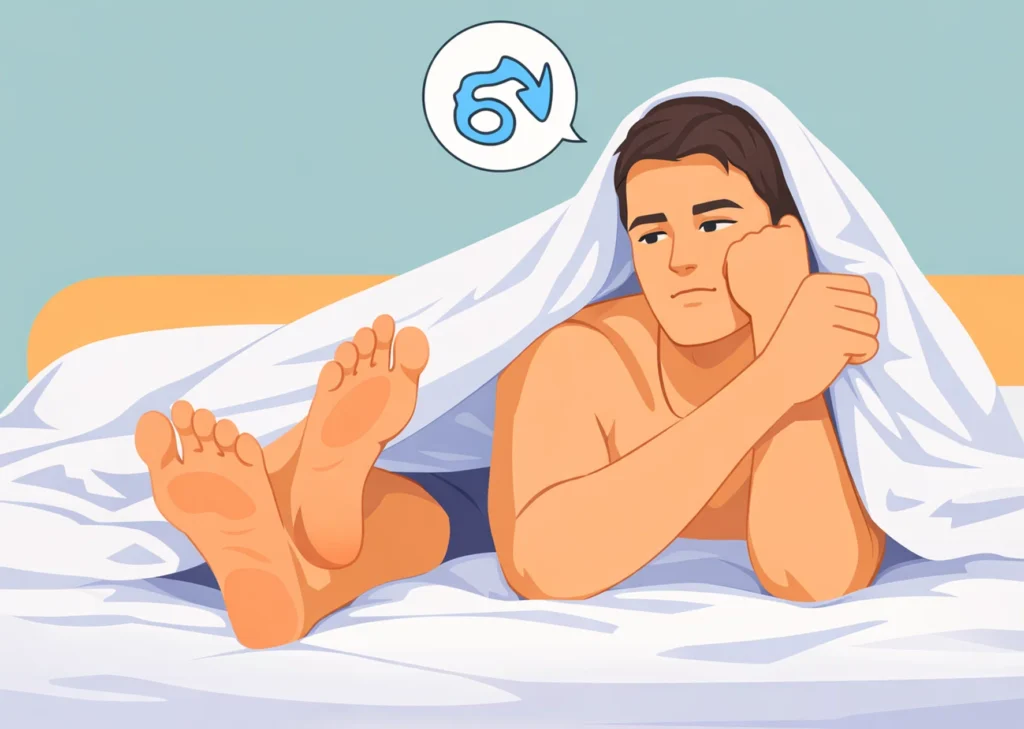
Premature ejaculation is one of those topics most men don’t talk about openly. Not with friends. Not at work. Sometimes not even with doctors. And definitely not on social media.
Yet it affects millions of men across different ages, cultures, and lifestyles.
If you’ve ever searched late at night trying to understand why climax happens too quickly, or whether what you’re experiencing is “normal,” you’re not alone. The truth is, premature ejaculation is not one single condition. There are two distinct types of premature ejaculation, and understanding which one applies to you can change how you approach treatment, mindset, and recovery.
Table of Contents
ToggleWhat Is Premature Ejaculation?
Premature ejaculation (often shortened to PE) generally refers to ejaculation that happens sooner than a man or his partner would like, often with little control and emotional distress attached to it.
But here’s where many people get confused:
PE is not only about time.
It’s also about:
- Control
- Satisfaction
- Emotional impact
- Consistency
A man who ejaculates quickly but feels in control and satisfied may not have PE at all. Meanwhile, someone lasting longer but feeling anxious, rushed, or helpless might still struggle with it.
That’s why modern sexual health looks deeper and separates PE into two main categories.

The Two Types of Premature Ejaculation
Doctors and researchers classify PE into:
- Lifelong premature ejaculation
- Acquired premature ejaculation
These are not just labels. They point to different causes, patterns, and solutions.
Understanding which category fits you is the foundation of any effective PE diagnosis guide.
Lifelong Premature Ejaculation: When It’s Always Been There
What Is Lifelong Premature Ejaculation?
Lifelong premature ejaculation refers to PE that has been present from a man’s very first sexual experiences. It doesn’t suddenly appear—it’s always been part of sexual life.
Typically, ejaculation happens:
- Very quickly (often within 1 minute)
- In nearly all sexual encounters
- With minimal voluntary control
This pattern remains consistent over the years, across partners, and in various situations.
Common Signs of Lifelong PE
- Ejaculation occurs rapidly from the beginning of sexual activity
- Happens with almost every partner
- Occurs during intercourse and sometimes even before penetration
- Has been present since first sexual experiences
- Causes frustration, embarrassment, or avoidance of intimacy
Many men with lifelong PE assume this is “just how they are” and never seek help.
What Causes Lifelong Premature Ejaculation?
The causes of early climax in lifelong PE are often biological rather than psychological.
Research suggests links to:
- Genetic sensitivity in the ejaculatory reflex
- Neurochemical factors, especially serotonin regulation
- Over-responsive nervous system signaling
In simpler terms:
The body’s sexual response system fires too quickly, and the brain doesn’t get enough time to apply control.
This doesn’t mean something is “wrong” with you, it means your system is wired differently.
Psychological Impact
Men with lifelong PE often:
- Develop performance anxiety early
- Avoid relationships or intimacy
- Feel shame or loss of confidence
- Believe they are “bad in bed”
Over time, this emotional weight can be heavier than the physical issue itself.
Acquired Premature Ejaculation: When It Develops Later
What Is Acquired Premature Ejaculation?
Acquired premature ejaculation occurs when a man previously had normal or satisfactory control over ejaculation, but then develops PE later in life.
This change can be sudden or gradual.
Unlike lifelong PE, acquired PE is often situational and reversible once the underlying cause is addressed.
Common Signs of Acquired PE
- Ejaculation becomes faster than it used to be
- Loss of control develops after a period of normal performance
- May happen only in certain situations or with certain partners
- Often linked with stress, health, or emotional changes
This type frequently causes confusion:
“Why is this happening now? I was fine before.”
Causes of Acquired Premature Ejaculation
The causes of early climax in acquired PE are often multifactorial, including:
1. Psychological Factors
- Performance anxiety
- Relationship stress
- Depression
- Fear of failure after one bad experience
Once anxiety enters the bedroom, it can quickly become a cycle.
2. Medical and Hormonal Issues
- Erectile dysfunction
- Thyroid disorders
- Prostate inflammation
- Hormonal imbalances
Sometimes PE develops as a secondary issue when the body is compensating for something else.
3. Lifestyle and Stress
- Chronic stress
- Poor sleep
- Excessive alcohol
- Sedentary habits
Mental and physical fatigue reduce sexual control more than most men realize.
Key Differences Between Lifelong and Acquired PE
Aspect | Lifelong PE | Acquired PE |
Onset | From first sexual experiences | Develops later |
Pattern | Consistent | Often situational |
Primary cause | Biological | Psychological / medical |
Reversibility | Manageable, not “curable” | Often reversible |
Emotional impact | Long-term confidence issues | Sudden distress |
This distinction is critical in any PE diagnosis guide, because treating both types the same way often leads to disappointment.
Why Many Men Misdiagnose Themselves
A common mistake is assuming all PE is psychological or all PE is permanent.
In reality:
- Lifelong PE responds better to medical and behavioral strategies
- Acquired PE often improves when root causes are treated
Without proper understanding, men waste time on random advice that doesn’t match their situation.
How PE Is Diagnosed?
A proper PE diagnosis guide usually includes:
- Detailed sexual history
- When did it start?
- Has it always been present?
- Consistency assessment
- Does it happen every time or occasionally?
- Medical evaluation
- Hormones, prostate, and erectile function
- Psychological screening
- Anxiety, stress, and relationship factors
Diagnosis is mostly conversational and non-invasive.
Can Premature Ejaculation Be Treated?
Yes, but treatment depends on the type.
For Lifelong Premature Ejaculation
- Behavioral techniques
- Desensitization methods
- Counseling for confidence
- Medical options under professional supervision
The goal is management and control, not perfection.
For Acquired Premature Ejaculation
- Treat underlying health conditions
- Reduce anxiety and stress
- Address erectile issues if present
- Improve lifestyle factors
In many cases, control improves significantly once the root cause is resolved.
Communication Matters More Than Men Think
One of the most overlooked aspects of PE is communication.
Men often suffer silently, assuming their partner is judging them. In reality, many partners care more about honesty, effort, and connection than timing alone.
Open communication reduces pressure and pressure worsens PE.
Final Thoughts
Premature ejaculation is not a single problem with a single answer. Understanding the types of premature ejaculation, lifelong versus acquired, changes everything.
It replaces confusion with clarity.
Shame with understanding.
And helplessness with direction.
If this is something you’re dealing with, know this:
You’re not alone, and you’re not beyond help.
The first step is understanding what’s really going on.
FAQs
1: Are there really different types of premature ejaculation?
Yes. The two main types of premature ejaculation are lifelong and acquired, and they differ in causes, patterns, and treatment approaches.
2: How do I know which type I have?
If the issue has been present since your first sexual experiences, it’s likely lifelong premature ejaculation. If it developed later after a period of normal control, it’s likely acquired premature ejaculation.
3: Are the causes of early climax always psychological?
No. Lifelong PE often has biological causes, while acquired PE is more commonly linked to psychological or medical factors.
4: Can acquired premature ejaculation go away?
In many cases, yes, especially when stress, anxiety, or medical issues are treated properly.
5: Is premature ejaculation linked to masculinity or performance?
No. PE is a medical and psychological condition, not a measure of masculinity or worth.
6: Should I see a doctor for PE?
If it causes distress, relationship strain, or loss of confidence, professional guidance is recommended.